“What should I buy first?” is the most common question in the hobby, and the usual answer is a list of twenty games with no explanation. Here are five, with the reason each one earns its place. Every one of them sits under 2.5 on the complexity scale, plays in under an hour, and teaches a different core idea.
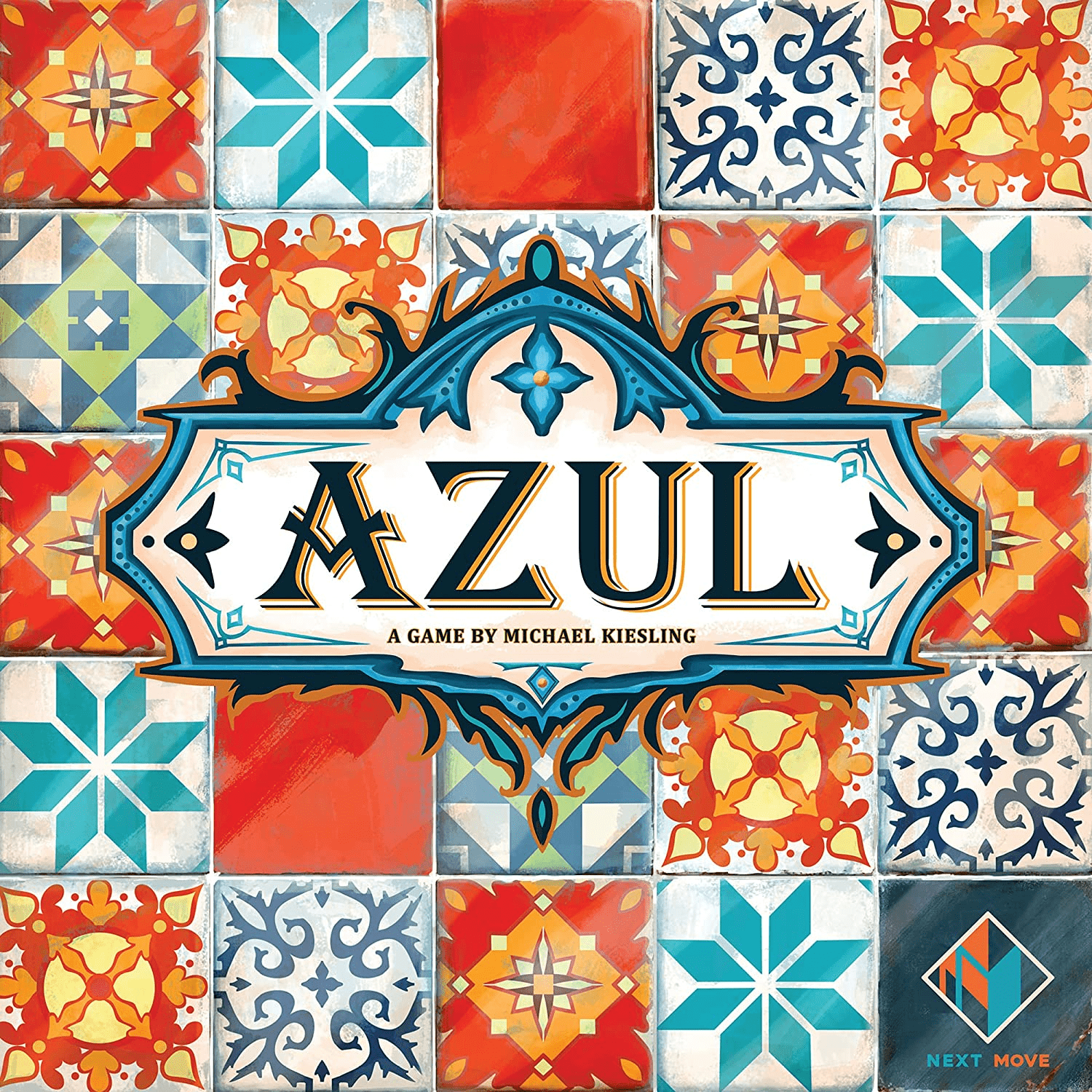
1. Azul — for the table that hates rulebooks
Pick tiles from a shared pool, fill your board, score patterns. You can explain it in three minutes and still lose to someone who plans two turns ahead. It is also, straightforwardly, a beautiful object, which does more work in getting people to say yes than hobbyists like to admit.
Best for: two to four players, ages eight and up, anyone who has said “I don’t really like board games.”
2. Ticket to Ride — for the family that already plays Monopoly
Collect coloured cards, claim train routes, connect the cities on your secret tickets. It is the archetypal gateway game because it takes the familiar shape of a family board game and quietly removes everything bad about it: no player elimination, no runaway leader, no two-hour tail.
Best for: mixed ages, three to five players, the game night that needs an upgrade rather than a revolution.
3. Carcassonne — for two players who want a quick habit
Draw a tile, place it, put a follower on it. A game takes half an hour and the rules fit on a card, but the decisions about where to place your limited followers get sharper every time you play. It survives hundreds of plays, which is not true of most games this simple.
Best for: two players, ages seven and up, a game you leave on the table.
4. Just One — for a group of eight who don’t know each other
One player guesses a word; everyone else writes a one-word clue — and any clue that two people duplicate gets cancelled before the guesser sees it. It turns “be helpful” into “be helpful and unpredictable,” which is a far more interesting problem than it first appears.
Best for: three to seven players and easily more, any age from eight, parties where half the room is not really a board game person.
5. Pandemic — for the group that argues too much
Everyone plays on the same side against the board, curing four diseases before they spread. Cooperative games solve a specific social problem: nobody feels targeted, and a new player can be talked through their turn without it being condescending.
Best for: two to four players, ages ten and up, groups where competition sours quickly.
How to choose between them
Ask what the actual obstacle is at your table:
- Nobody wants to learn rules → Azul
- They like the classics but want better ones → Ticket to Ride
- It’s usually just two of you → Carcassonne
- The group is big and loud → Just One
- Someone always takes losing badly → Pandemic
If none of those describe your situation, that is exactly what the finder is for — set Experience to Beginner, put in your real player count and the age of the youngest player, and take the shortlist from there.